
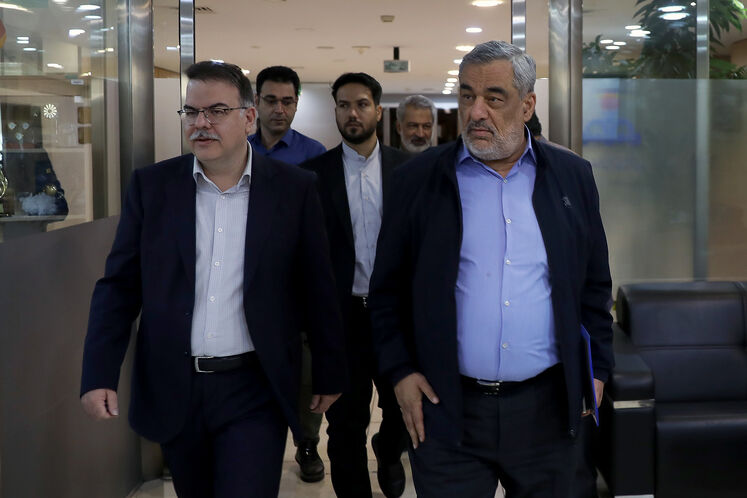
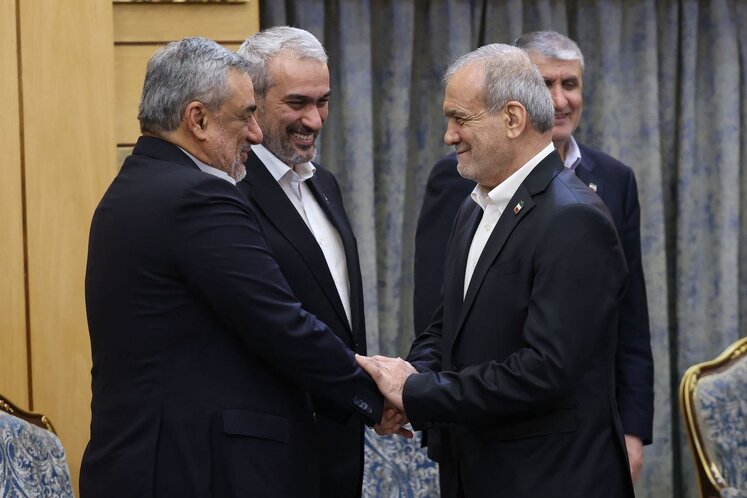
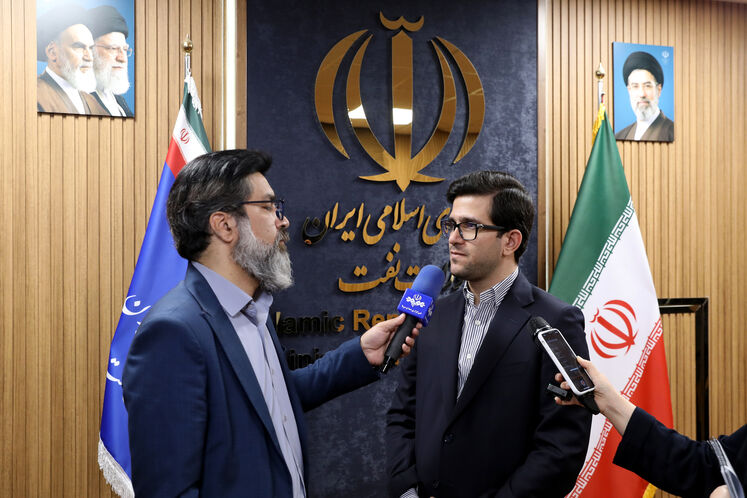
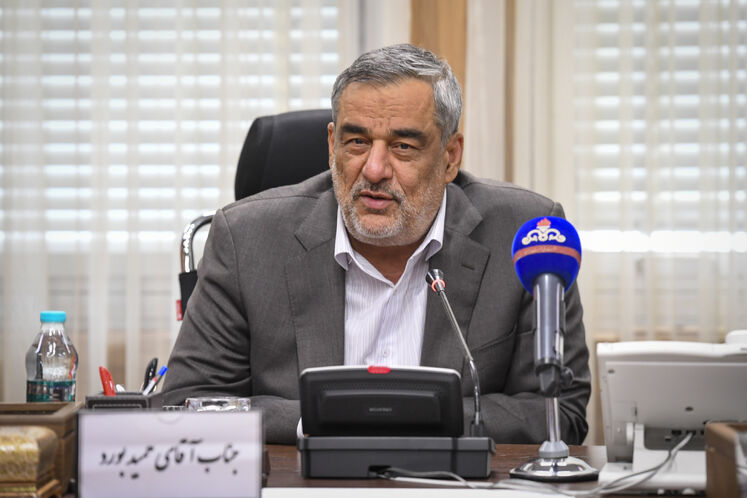
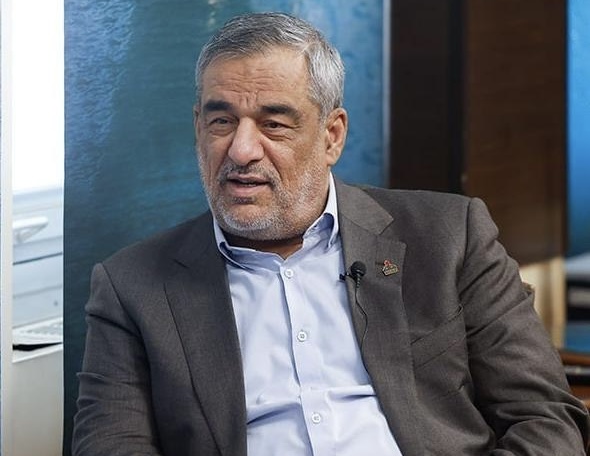



The energy deputy of the Passive Defense Organization, visiting Refinery 4, stressed faster reconstruction and higher resilience of the facilities.
The United States has approved the release of up to 4 million barrels of crude from its strategic reserves to offset disruptions from Hurricane Isaias in the southeast of the country.
The chief executive of Iran Gas Transmission Company said a scenario-based, proactive approach to network management is in place, and that unity of command and consistent procedures are the most important factors in keeping gas transmission stable in sensitive parts of the country, especially the northern provinces, through the cold season.
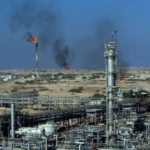
The chief executive of the Iranian Offshore Oil Company said startup of one or two turbines at the Kharg NGL, or natural-gas, plant power station is being pursued to supply electricity for oil facilities, petrochemicals, and residents of the island.
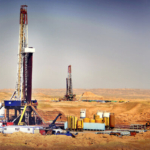
The member of parliament for Ilam said oil from the Azar and Changuleh fields will be allocated to refineries inside the province, and that after two years of follow-up the first permit for 20,000 barrels a day of feedstock has been issued to a private investor — a long step toward processing oil at the source.
Taban Farda Petrochemical Group posted a strong return in its first month on the capital market, only 31 days after listing. Published figures put the share’s return, including the general-meeting cash dividend, at about 80%.
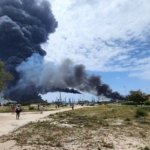
The HSED manager of Lavan Oil Refining Company said continuous training, emergency drills, and ready firefighting equipment were decisive, and that staff readiness and coordination among units helped manage the incident and prevent loss of life.
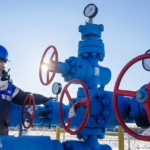
Politico, citing data from the U.S. Institute for Energy Economics and Financial Analysis (IEEFA), wrote that European Union member states may face a shortfall of up to 14 billion cubic meters of natural gas this winter, equal to about 7% of their annual demand.
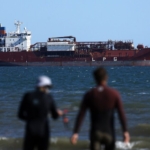
Fresh Baltic Exchange data show that chartering a very large crude carrier, or VLCC, to move U.S. oil to Asia now costs about $77 million, after disruptions in the Strait of Hormuz — closed by Iran — pushed global oil-shipping costs to unprecedented levels.

Brent crude futures fell $1.68, or 1.61%, to $102.60 a barrel. U.S. West Texas Intermediate (WTI) crude futures also declined $1.31, or 1.43%, to $90.18 a barrel.

Iran’s South Pars pressure boosting project is expected to move forward at a faster pace following a recent approval by the Economic Council, Farhad Shahraki, deputy chairman of the Iranian Parliament’s Energy Commission, said.
Jam Petrochemical Company is planning to launch a pyrolysis separation and base gasoline production project that could help meet part of Iran’s domestic gasoline demand, the company’s CEO, Amir Akbari, said.
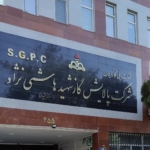
Iran’s Shahid Hasheminejad Gas Refinery processed more than 7 billion cubic meters of natural gas in the first six months of the current Iranian year, marking its highest intake and processing volume for the same period in a decade, according to the facility’s CEO.
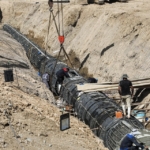
The manager of the Khuzestan region of the National Iranian Oil Products Pipeline and Telecommunications Company said a limited diesel fuel leak on the 12-inch Abadan–Ahvaz pipeline had been detected and contained.

An employee of the Fluids Management Department of the National Iranian Drilling Company (NIDC) has died following an accident while working on the Fath 93 drilling rig in Iran.
Brent crude futures rose $4.14, or 4.13%, to $102.28 a barrel. U.S. West Texas Intermediate (WTI) crude futures also gained $3.71, or 4.2%, to $91.99 a barrel.
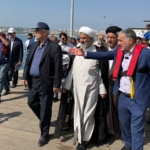
The CEO of the National Iranian Oil Terminals Company (NIOTC) said Iran is continuing to implement plans to upgrade, modernize and strengthen the safety of critical oil facilities on Kharg Island.
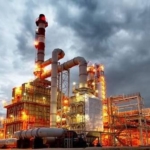
Iran’s Tehran Oil Refinery has used locally developed technologies and advanced treatment systems to convert wastewater from the South Tehran wastewater treatment plant into boiler feedwater (BFW) with quality approaching that of distilled water, achieving electrical conductivity of 2 to 10 microsiemens.
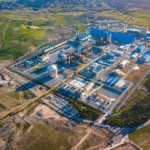
Iran’s Masjed Soleyman Petrochemical Company has set a world record with 101 consecutive days of uninterrupted urea production, achieving 110% of its approved production target and earning formal recognition from Toyo, the Japanese licensor of the urea unit.

The governor of Bushehr thanked specialists, engineers, staff, and workers at the damaged South Pars refineries and said their effort to hold gas production and serve the country in hard conditions deserves recognition.


